Disclosure: This post contains affiliate links. If you book through them, we may earn a small commission at no extra cost to you. See our full Affiliate Disclosure.
Every Tokyo itinerary has one open day marked “day trip??” — and three names competing for it: Hakone, Nikko, Kamakura. They get lumped together constantly, which is unhelpful, because they are three completely different days out.
I’ve done all three more times than I can count — they’re where Tokyo locals take their visiting parents. Here’s the honest comparison, with 2026 costs and the timing tricks that decide whether your day is magical or mostly queueing.
The 30-second verdict
| Hakone | Nikko | Kamakura | |
|---|---|---|---|
| The day in one line | Mt. Fuji views, onsen, a loop of trains/boats/ropeways | Japan’s most lavish shrines in deep mountain forest | Seaside temples, the Great Buddha, retro trains |
| Best for | First-timers, scenery collectors, onsen curious | Culture and nature lovers, autumn-leaf hunters | Easy-going day, beach vibes, shorter attention spans |
| Time from Tokyo | ~85 min (Shinjuku, Romancecar) | ~2 hrs (Asakusa, Tobu line) | ~60 min (JR from Tokyo/Shinagawa) |
| Typical transport cost | ¥7,100 Hakone Freepass (2 days, from Shinjuku) | ~¥2,000–5,000 Tobu passes + express fees | ~¥2,000–3,000 round trip + ¥800 Enoden pass |
| Effort level | Medium (the loop needs planning) | Highest (longest day) | Lowest (just go) |
Hakone — the greatest hits day
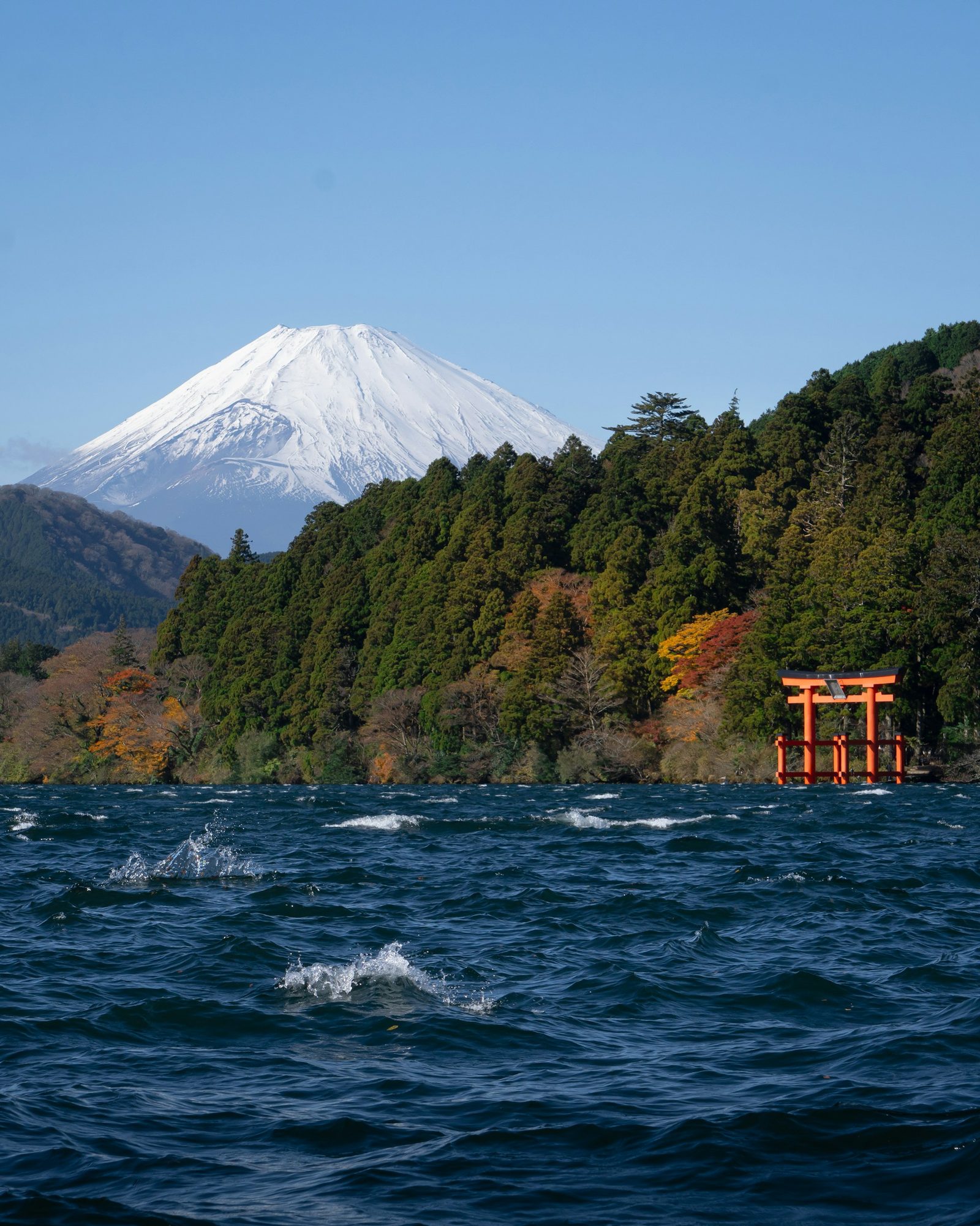
Hakone is a circuit, not a town: mountain railway up, cable car and ropeway over the volcanic valley, “pirate ship” across Lake Ashi, bus back — with Mt. Fuji photobombing the whole route on clear days. The Hakone Freepass (¥7,100 from Shinjuku, valid 2 days) bundles all of it and genuinely saves ¥4,500–5,500 versus individual tickets — one of the few Japanese passes that’s almost always worth it.
Honest downsides: the loop is popular, so mid-morning weekends mean ropeway queues; and Fuji hides in clouds more days than the postcards admit. Check the visibility forecast before committing your hopes (the onsen and the lake are lovely either way). If seeing Fuji is the whole point, my Mt Fuji day trip guide explains when you’ll actually see it, and where to stay for a Mt Fuji view in winter compares Hakone with Kawaguchiko, Gotemba and Mishima for an overnight trip.
→ Check current Hakone Freepass prices
Nikko — the pilgrimage day
Two hours north, Nikko is where the shoguns built their most extravagant shrine complex — Toshogu’s carvings and gold against cedar forest is a genuinely different Japan from anything in Tokyo. Add Kegon Falls and Lake Chuzenji up the winding road, and it’s the most spectacular of the three days — and the longest. Tobu Railway’s Nikko passes run roughly ¥2,000–5,000 depending on area coverage, plus limited-express fees for the comfortable trains.
Honest downsides: it’s a committed day — leave by 8:00, return after 19:00. In November leaf season, the road to Lake Chuzenji becomes a famous traffic jam; go midweek or stick to the shrine area.
→ Check Nikko passes and day tours
Kamakura — the effortless day
An hour south, Kamakura is Japan’s 13th-century capital turned laid-back seaside town: the Great Buddha, hydrangea-lined temples, a hiking trail between them, and the wonderful rattling Enoden line along the coast to Enoshima island. Costs stay light — around ¥2,000–3,000 round trip plus the ¥800 Enoden day pass. No planning required; that’s the charm.
Honest downsides: summer weekends get beach-crowded, and the famous temples close around 16:30 — Kamakura is a start-early, finish-with-sunset-at-Enoshima kind of day.
→ Check Kamakura passes and tours
How to choose (one question each)
- Is this your first Japan trip and you want the “wow” reel? → Hakone.
- Would you trade an extra hour of trains for the most impressive cultural site in the region? → Nikko.
- Do you want a relaxed day that doesn’t feel like an itinerary? → Kamakura.
Doing two? Hakone + Kamakura pair well — the ¥8,520 Hakone Kamakura Pass (3 days) covers both circuits from Shinjuku. Nikko deserves its own separate energy.
One more money note: none of these trips justify the ¥50,000 JR Pass — they run on private railways or short JR hops. If someone told you to buy the pass “for day trips,” read my JR Pass math first.

Ayako’s Local Tip
For Hakone, reserve the Romancecar observation-style train from Shinjuku a few days ahead — same Freepass route, but the front-window seats turn the commute itself into the first attraction. And go on a weekday if you possibly can: all three destinations are different places Tuesday versus Saturday.
Bottom line
Hakone for spectacle, Nikko for awe, Kamakura for ease. Pick by the energy you’ll actually have — a day trip that matches your mood beats the “best” one every time. Base yourself somewhere with easy station access (my area guide covers that) and any of the three is a clean, doable day.
In late November these same trips become foliage trips: Tokyo’s autumn leaves — when to go and where to stay.
Prices checked July 2026; passes and fares change with seasons. Confirm current prices when you book.

Thanks for reading! I’m Ayako, a business owner in Ginza writing honest guides from inside Tokyo. More about me here.
Leave a Reply