Disclosure: This post contains affiliate links. If you book through them, we may earn a small commission at no extra cost to you. See our full Affiliate Disclosure.
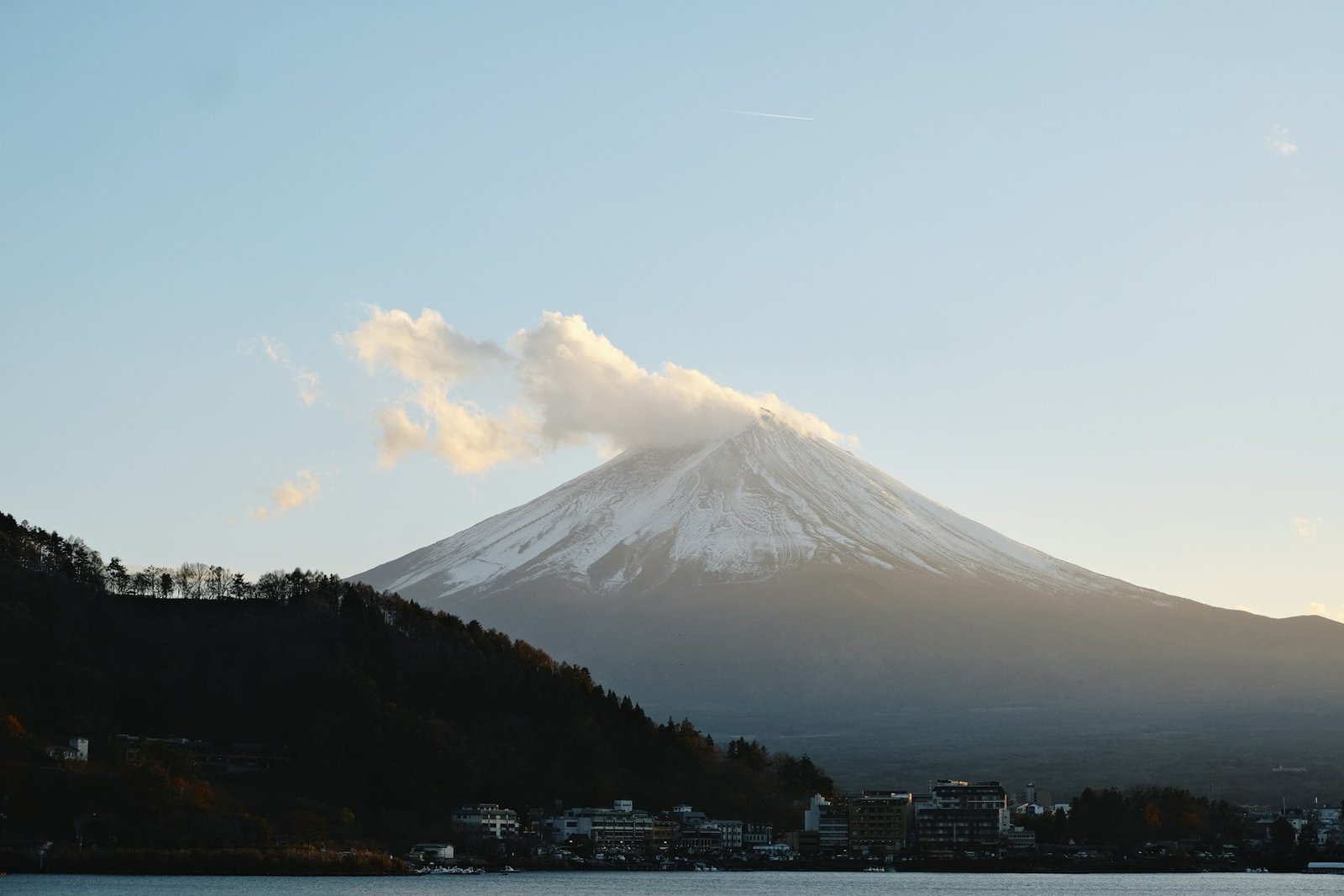
Here is the thing nobody tells you before you book a Mt Fuji day trip: the mountain is invisible most summer days.
Visitors arrive in July and August expecting the postcard, and get a wall of white haze. Meanwhile locals know that the clearest, most reliable Fuji views come in the cold months — December through February — when the air is dry and the peak is snow-capped and startlingly close.
So this guide covers two questions in order of importance: when to go, and then how — bus, train, or organized tour, with real 2026 prices.
First: when will you actually see it?
| Season | Odds of a clear view | Notes |
|---|---|---|
| Dec–Feb | Best | Dry cold air, snow-capped peak. The classic photo season. |
| Mar–May | Good | Cherry blossoms + Fuji in April is the dream combination — and the busiest. |
| Jun–Aug | Poor | Humid haze and cloud. Ironically this is climbing season, when the mountain is least visible from a distance. |
| Sep–Nov | Good | Autumn colors from late October; clearing air through November. |
Time of day matters as much as the season. Fuji is most often visible early morning, and clouds build through the day. Standard tours departing Shinjuku at 09:00 arrive after the morning window has already closed. If the view is your priority, leave early — or stay the night nearby and be there at first light. I compare the bases in where to stay for a Mt Fuji view in winter.
Where to go: Kawaguchiko, not Hakone
This is the most common planning mistake. Lake Kawaguchiko in the Fuji Five Lakes is where the mountain rises directly out of the water — the view you have in your head. Hakone is a wonderful onsen and art destination where, on a clear day, you might see Fuji across Lake Ashi as a bonus. It sits lower and cloudier.
Choose Kawaguchiko for Fuji. Choose Hakone for hot springs, the ropeway and the pirate ship — I compare it against Nikko and Kamakura in my day trip guide.
The three ways to get there (2026 prices)
1. Highway bus — the cheapest, and better than it sounds
About ¥2,200 one way from Shinjuku to Kawaguchiko, roughly 1 hour 45 minutes, direct. Reserved seats, no transfers, arrives right at the lake. Add a local bus to the Fuji Subaru Line 5th Station (¥2,000 one way / ¥3,400 round trip) if you want to go up the mountain itself.
Best for: independent travelers who want a full day at the lake for under ¥6,000 in transport. Book the bus in advance in peak season — it sells out.
2. Train — scenic but fiddly
JR to Otsuki, then the Fujikyu Railway to Kawaguchiko. More expensive and slower than the bus with a transfer involved, but pleasant and flexible. Note this route is not covered by the JR Pass beyond Otsuki — one more reason the pass rarely pays off for Tokyo-based trips (the full JR Pass math is here).
3. Organized day tour — the easy option
¥10,000–15,000 per person for a standard guided group tour, typically bundling the 5th Station, a lake viewpoint, and often Hakone or an onsen stop. You trade money and flexibility for zero logistics and a guide who knows where the mountain is hiding.
Best for: first-timers, tight schedules, and anyone who doesn’t want to manage bus timetables in a foreign language. These sell out days ahead in cherry blossom and autumn seasons.
→ Compare Mt Fuji day tours and bus tickets
Which should you pick?
- Confident traveler, want value and freedom? → Highway bus. Leave Shinjuku on the earliest departure you can face.
- First trip to Japan, short on days? → Organized tour. The ¥10,000 buys you a day you don’t have to think about.
- Visiting June to August? → Manage expectations, or go to Hakone instead and treat any Fuji sighting as a gift.

Ayako’s Local Tip
Check the live webcams at Lake Kawaguchiko the night before and again at breakfast. If the mountain is buried in cloud, swap your plan for a city day and go another morning — Tokyo has no shortage of alternatives, and a wasted six-hour round trip to see fog is the saddest day trip there is. Flexible independent travel beats a locked-in tour precisely because of this.
Bottom line
Go in winter if you can, leave early whatever the season, and head for Kawaguchiko rather than Hakone if the view is the point. The highway bus at around ¥2,200 is the best value in Japanese travel; a guided tour at ¥10,000–15,000 is fair money for a day you don’t have to plan.
Prices checked August 2026. Bus fares and tour prices vary by season and operator — confirm before booking.

Thanks for reading! I’m Ayako, a business owner in Ginza writing honest guides from inside Tokyo. More about me here.
Leave a Reply