Disclosure: This post contains affiliate links. If you book through them, we may earn a small commission at no extra cost to you. See our full Affiliate Disclosure.
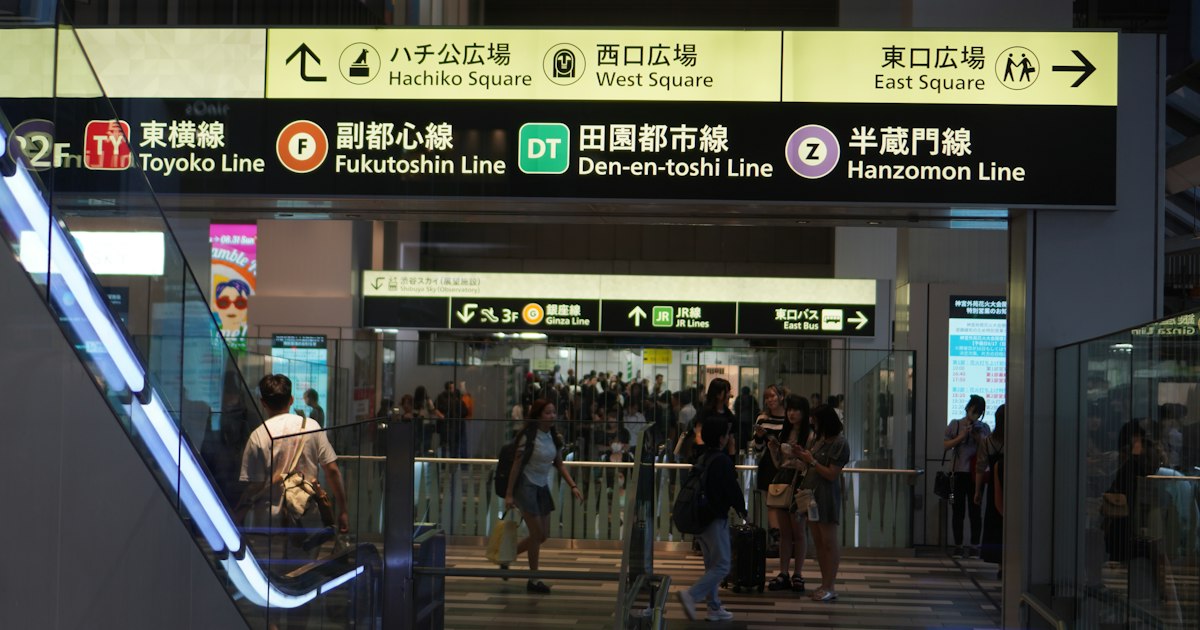
Every first-time visitor to Tokyo asks the same question at some point: should I just buy the subway pass?
The Tokyo Subway Ticket gives you unlimited rides on every subway line in the city for 24, 48 or 72 hours. It went up in price in March 2026, so the math has changed. Here’s how to work out whether it pays for you — using the operator’s own numbers.
What it costs in 2026
| Ticket | Adult | Child | Pays for itself if you ride… |
|---|---|---|---|
| 24-hour | ¥1,000 | ¥500 | 6+ times in 24 hours |
| 48-hour | ¥1,500 | ¥750 | 5+ times per 24 hours |
| 72-hour | ¥2,000 | ¥1,000 | 4+ times per 24 hours |
The break-even figures in the right-hand column are Tokyo Metro’s own guidance. For comparison, a single subway ride on an IC card starts at ¥178.
Tokyo Metro raised the prices of its discount tickets, including this one, on 14 March 2026. If you’re reading an older blog post with lower prices, that’s why.
What it covers — and what it doesn’t
- Covered: all Tokyo Metro lines and all Toei Subway lines. Together they reach most of the places first-time visitors go — Ginza, Asakusa, Ueno, Roppongi, Shibuya, Shinjuku.
- Not covered: anything run by another company. The most important one is JR, which operates the Yamanote Line loop and the trains to many day-trip destinations.
This is the single biggest trap. Many visitors plan a day around the Yamanote Line (Shinjuku, Shibuya, Harajuku, Tokyo Station) without realising it’s JR. Check which operator runs the lines you’ll actually use before you buy.
How the clock works
The 24, 48 or 72 hours start from the first time you use the ticket — not at midnight. Buy a 24-hour ticket, first go through the gate at 2pm, and you can ride until 2pm the next day. The valid period is printed on the back of the ticket.
That makes an evening start efficient: a 24-hour ticket used from late afternoon covers dinner, the ride back, and the next morning’s sightseeing.
Who can buy it, and where
The ticket is aimed at visitors. If you buy it in Japan, your short-term stay status is checked with your passport, so have it with you.
- Online before you fly — the easiest option; you collect or activate it after landing. You can compare options on Klook.
- At the airports after you land.
- At tourist information centres in some subway stations.
There is also a QR-code version of the ticket — details are on Tokyo Metro’s official site.
When it’s worth it
The pass pays off on days when you hop between several neighbourhoods by subway. A typical example from Ginza:
- Ginza → Asakusa (Senso-ji)
- Asakusa → Ueno (museums, Ameyoko)
- Ueno → Roppongi or Omotesando
- Back to your hotel in the evening
- One more trip out for dinner
- And back again
That’s six rides — right at the break-even point for a 24-hour ticket — and you stop thinking about fares, which has its own value when you’re jet-lagged. For how long these hops actually take, see our travel-time guide between Tokyo’s neighbourhoods.
When it isn’t
- Day-trip days. If you’re heading to Hakone, Nikko, Kamakura or Mt Fuji, you’ll spend most of the day on JR or private railways. See Hakone vs Nikko vs Kamakura.
- Yamanote-heavy days. A Shinjuku–Harajuku–Shibuya day is mostly JR.
- Walking days. Ginza, Yurakucho and Nihonbashi are close together; you may only ride twice.
- Arrival day from the airport. Airport trains and buses are run by other companies. Our Narita and Haneda transport guide covers the options.
For those days, a regular IC card (Suica or PASMO) that you top up is simpler. If you are wondering which card to get as a visitor, PASMO PASSPORT is no longer sold — here is how Welcome Suica and Welcome Suica Mobile compare.
If you’re staying in Ginza
Ginza is one of the best-connected bases for this ticket, and it helps to know which station is which:
| Station | Operator | Lines |
|---|---|---|
| Ginza | Tokyo Metro | Ginza, Marunouchi, Hibiya |
| Higashi-ginza | Tokyo Metro + Toei | Hibiya (Metro), Asakusa Line (Toei) |
| Ginza-itchome | Tokyo Metro | Yurakucho |
All three are covered by the Tokyo Subway Ticket. The Ginza Line runs straight to Asakusa and Ueno, so a Ginza hotel makes the east-side sightseeing loop above very easy. Still choosing where to stay? See where to stay in Ginza or every major Tokyo area compared.
The short answer
- Plan your days first, then count subway rides. Six or more in a day: the 24-hour ticket pays. Four or five a day over a longer stay: look at the 48- or 72-hour ticket.
- It covers Tokyo Metro and Toei Subway only. JR (including the Yamanote Line) is not included.
- The clock starts when you first use it, not at midnight.
- Have your passport with you if you buy it in Japan.
Prices checked on Tokyo Metro’s official site on 19 September 2026. Fares and conditions can change, so confirm on the official site before you travel.
Leave a Reply