Disclosure: This post contains affiliate links. If you book through them, we may earn a small commission at no extra cost to you. See our full Affiliate Disclosure.
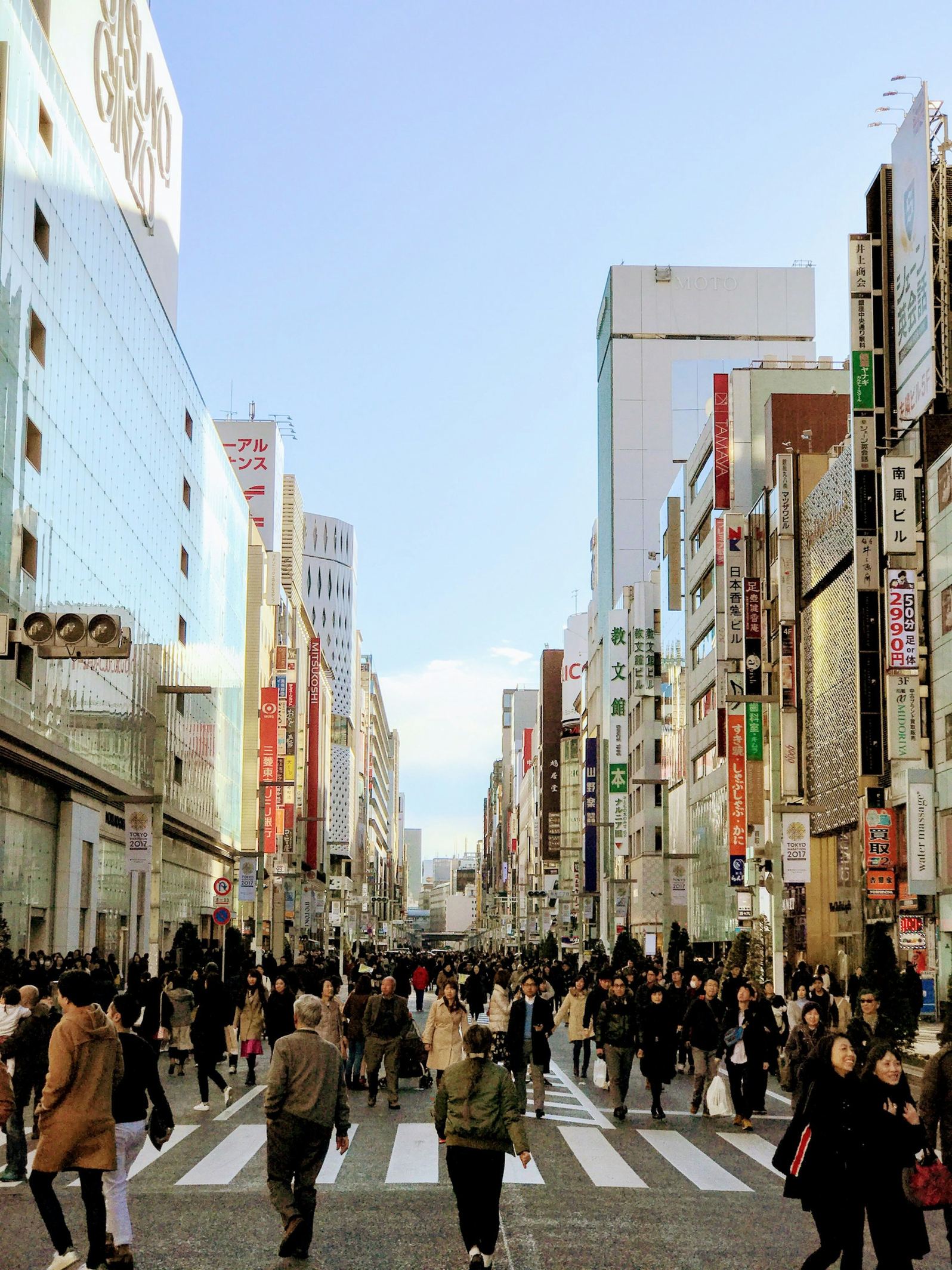
I spend almost every day in Ginza — early mornings before the boutiques open, late evenings after the last customers leave my salons. Most visitors give this district two hours of window shopping and move on. That’s like visiting a great restaurant and only reading the menu.
Here is the Ginza day I’d plan for a friend: hour by hour, from fish-market breakfast to the quiet glow of the evening streets, with the local timing tricks that make each stop work.
7:30 — Breakfast at Tsukiji Outer Market
Start 15 minutes’ walk southeast of Ginza at the Tsukiji Outer Market. The famous inner wholesale market moved away years ago; the outer market — the part you actually want — stayed, and it’s glorious at breakfast time: tamagoyaki on sticks, tuna bowls, grilled scallops, coffee stands. Go before 9:00; by 10:30 the lanes are shoulder-to-shoulder.
Before you go, check the market’s own hours and closed days — many shops close on Sundays, national holidays and some Wednesdays. My Tsukiji Outer Market guide lists the 2026 closed dates, the walking route from Ginza and the manners the market asks visitors to follow.
9:30 — Ginza before it wakes up
Walk back into Ginza while the shutters are still rising. This is my favorite hour of the district: delivery bicycles, staff polishing brass door handles, window displays with nobody in front of them. The boutiques open at 10:30–11:00, so take your coffee in one of the old-school kissaten coffee houses. My regular is Tricolore (the main branch, pouring hand-dripped coffee since 1936 — dark wood, brass, waiters in white jackets). Order the drip coffee, take the corner seat, and watch the street come alive.
10:30 — The flagship crawl
- Itoya: twelve floors of the world’s most beautiful stationery. Souvenirs that aren’t junk live here.
- GINZA SIX: the district’s glossiest mall — and its rooftop garden is free, with one of central Tokyo’s best quiet views. Almost nobody goes up. Go up.
- The department stores (Mitsukoshi, Matsuya): come for the architecture and service rituals, stay for the basement food halls — more on those at dinner.
Weekend bonus: on weekend afternoons Chuo-dori closes to cars and becomes a pedestrian promenade — the photo at the top of this article. Time your stroll for it.
13:00 — The lunch loophole
Ginza’s famous secret: restaurants that charge ¥15,000–25,000 at dinner serve lunch sets for ¥2,000–5,000. Same kitchens, same chefs. Sushi, tempura, unagi, French — pick the genre you’d never pay dinner prices for, and have it at lunch. Queues form before opening at the famous ones; arriving at 11:45 or after 13:30 helps.
14:30 — Kakigori break
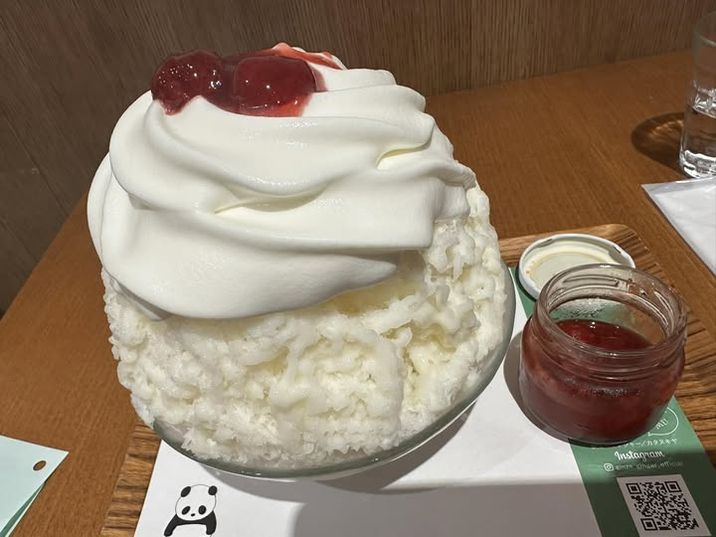
Dessert in Ginza means one thing in warm months: Japanese shaved ice at craft level. I wrote a full guide to the five kakigori shops worth queuing for — the photo above is my usual order at Ginza no Ginger. (Contrarian timing: the queues peak exactly now, 14:00–16:00, so either commit to the wait or flip this stop with the morning coffee.)
16:00 — Galleries and the kabuki shortcut
Ginza quietly hosts dozens of free art galleries tucked into upper floors and side streets — pick any building directory with the word ギャラリー and wander in. Then, at Higashi-Ginza, look at the grand Kabukiza theatre. You don’t need a full 4-hour kabuki ticket: single-act tickets let you watch one act for a fraction of the price. It’s the best low-commitment culture stop in Tokyo.
Have an extra half-day? teamLab Planets in nearby Toyosu is a short subway ride from Ginza — my teamLab Planets guide covers tickets, time slots and what to wear.
18:30 — The golden hour
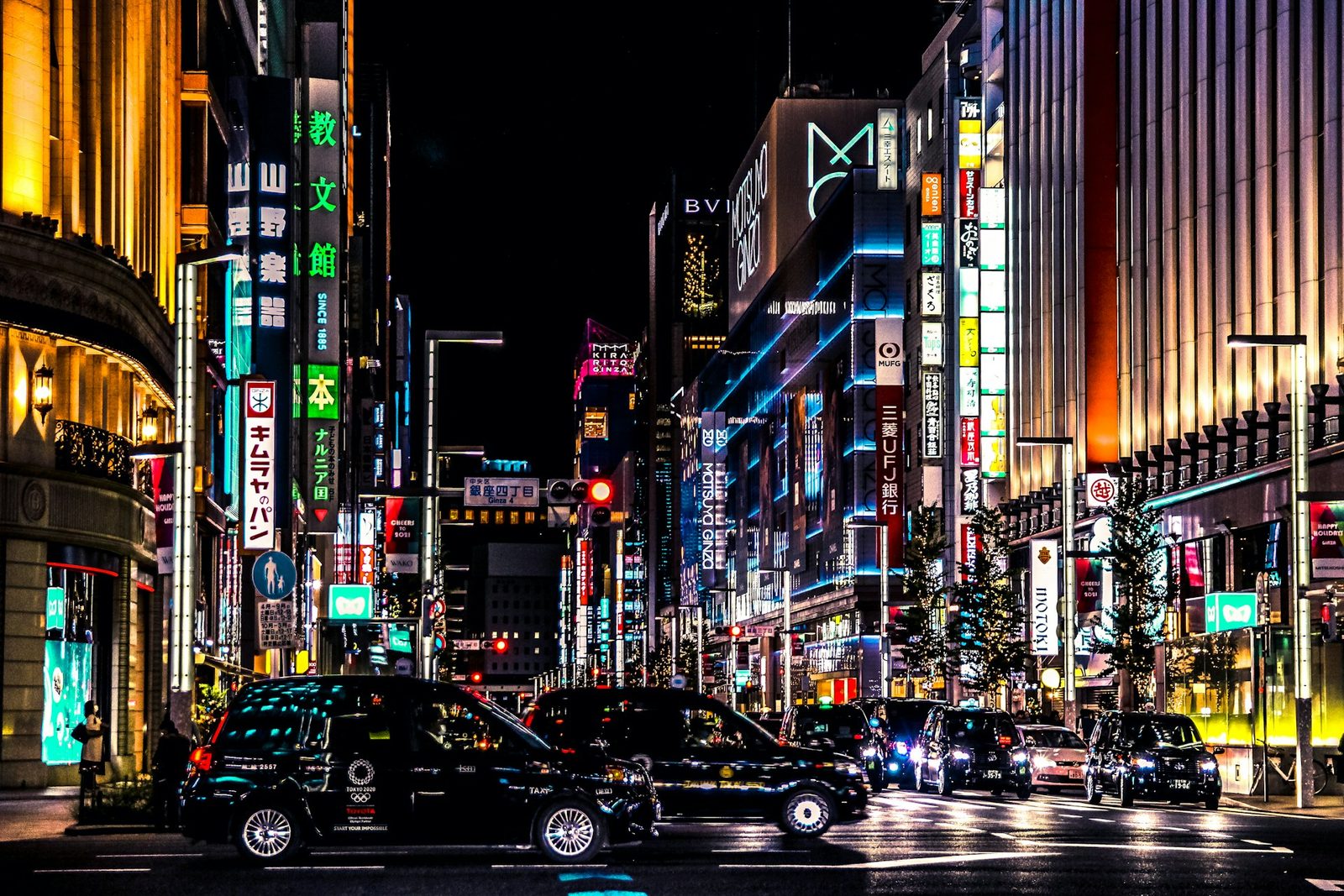
As the sky dims, the boutique facades light up and Ginza becomes, in my honest opinion, Tokyo’s most beautiful evening walk. The crowds thin after 19:00. Walk Chuo-dori end to end, then drift into the narrower streets — Namiki-dori, Suzuran-dori — where the bars and small restaurants glow.
20:00 — Dinner, two ways
- The splurge: this is one of the world’s great restaurant districts — book ahead for sushi or tempura and make it the trip’s big night.
- The local move: hit a department store depachika food hall in its final hour, when the beautifully-made food gets discounted, and picnic in your hotel room. I’m a business owner here and I still do this weekly. Zero shame, maximum joy.

Ayako’s Local Tip
Staying the night? Base yourself here and the whole day above happens on foot — my Ginza hotel guide covers every budget. And from Higashi-Ginza station, the airport train runs direct to Haneda, which makes this the easiest last-day itinerary in Tokyo: one perfect day, then straight to your flight.
Bottom line
Ginza rewards the visitor who gives it a full day: market breakfast, quiet mornings, the lunch loophole, craft ice, free galleries, one act of kabuki, and the most elegant evening walk in the city. Still deciding where to sleep? Start with Ginza vs Shinjuku vs Shibuya — and if you’re traveling alone, my solo traveler’s guide has you covered. And if you’re curious about Japanese nail art, here’s what to expect when getting gel nails in Tokyo.

Thanks for reading! I’m Ayako, a business owner in Ginza writing honest guides from inside Tokyo. More about me here.
Leave a Reply