Disclosure: This post contains affiliate links. If you book through them, we may earn a small commission at no extra cost to you. See our full Affiliate Disclosure.
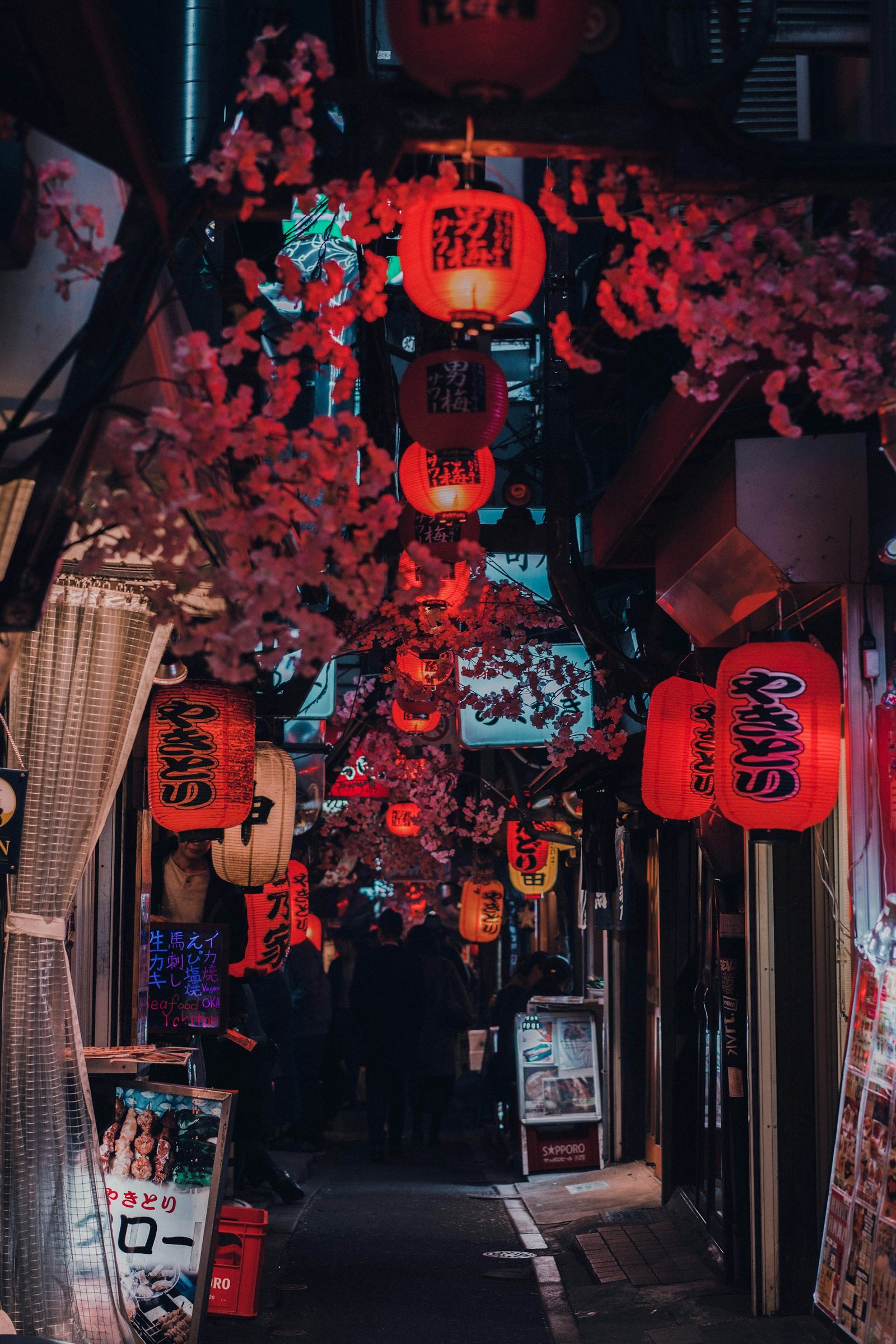
“Where should I stay in Tokyo?” is the question I’m asked most — by friends, by customers at my salons, by practically every first-time visitor I meet. And the internet’s standard answer (“Shinjuku, it’s the transport hub!”) is not wrong, but it’s incomplete.
I live and work in central Tokyo. Here’s the honest version: all three districts are excellent bases, and they suit completely different travelers. Five minutes of honest self-assessment here will do more for your trip than fifty hotel reviews.
The 30-second verdict
| Ginza | Shinjuku | Shibuya | |
|---|---|---|---|
| Feels like | Elegant, calm, polished | Electric, vast, non-stop | Young, loud, trend-driven |
| Best for | Food lovers, couples, quality sleepers | First-timers maximizing day trips | Nightlife, pop culture, under-35 energy |
| Nights are | Quiet by 21:00 | Loud till dawn (area-dependent) | Loud till late |
| Transport | 3 subway lines + Haneda direct from Higashi-Ginza | The world’s busiest station — every line, everywhere | JR Yamanote + subway hub |
| Typical hotel value | ¥15,000–45,000 sweet spot | Widest range, strong mid-tier | Priciest per quality in 2026 |
Ginza: for travelers who value calm, food, and walking everywhere
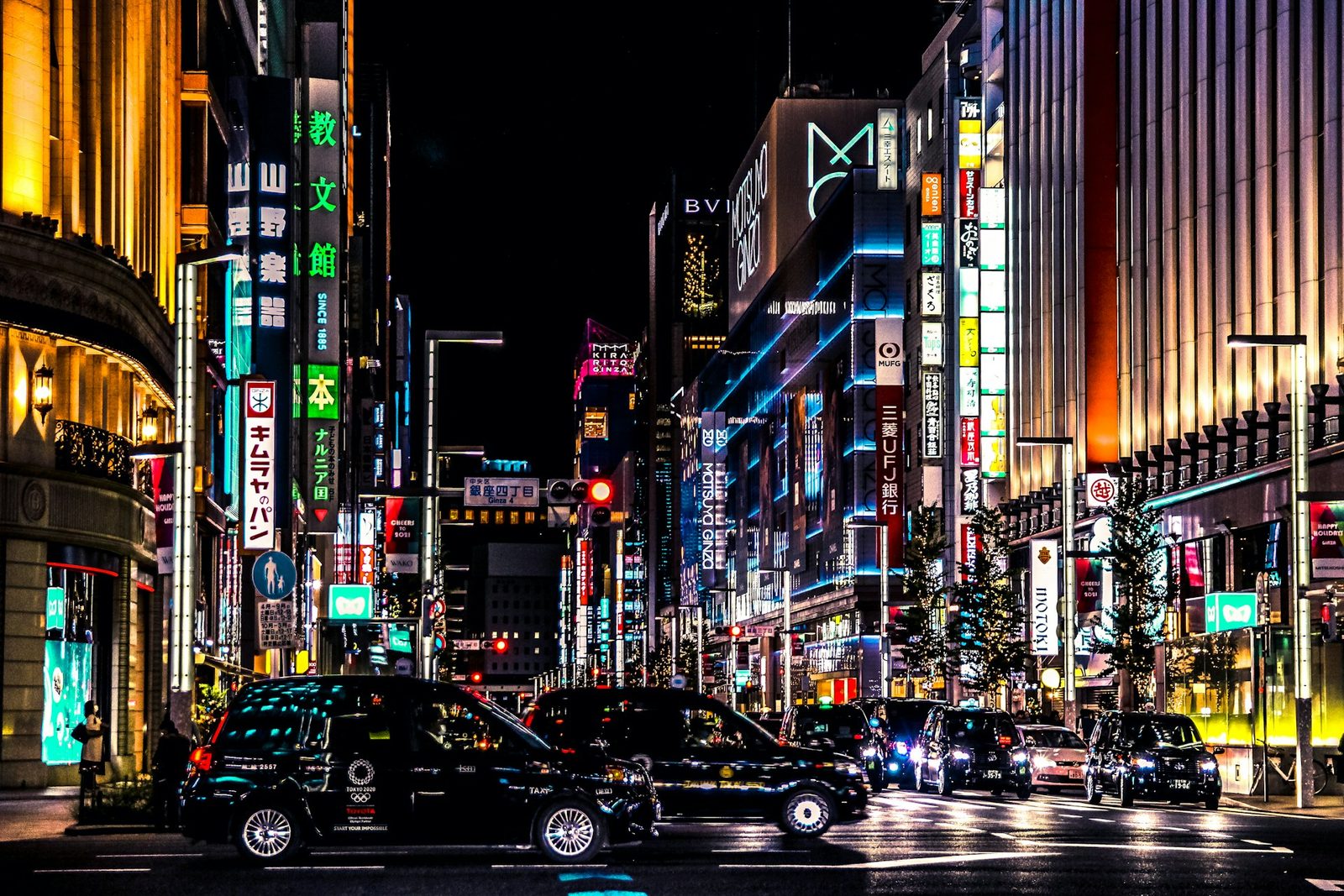
My home turf, so let me be upfront about the bias — and then earn it. Ginza is central Tokyo’s most walkable, safest-feeling, best-eating district. You’re 15 minutes on foot from Tsukiji’s food stalls, one direct train from Haneda Airport, and surrounded by more great restaurants per block than anywhere in the city. After 21:00 the streets go calm, which is either the best feature (jet-lagged travelers, couples, anyone over 30) or the dealbreaker (see Shibuya).
Downside: nightlife is refined, not rowdy — and the cheapest decent rooms start around ¥15,000.
I wrote a full hotel-by-hotel guide here: Where to Stay in Ginza: Best Hotels by Budget. Short version: Mitsui Garden Ginza Premier (¥28,000–45,000, skyline views) for most people, Tokyu Stay Ginza (¥15,000–25,000, in-room laundry) for longer stays.
→ Check rates: Mitsui Garden Ginza Premier · Tokyu Stay Ginza · MUJI HOTEL GINZA
Shinjuku: for first-timers who want to see everything
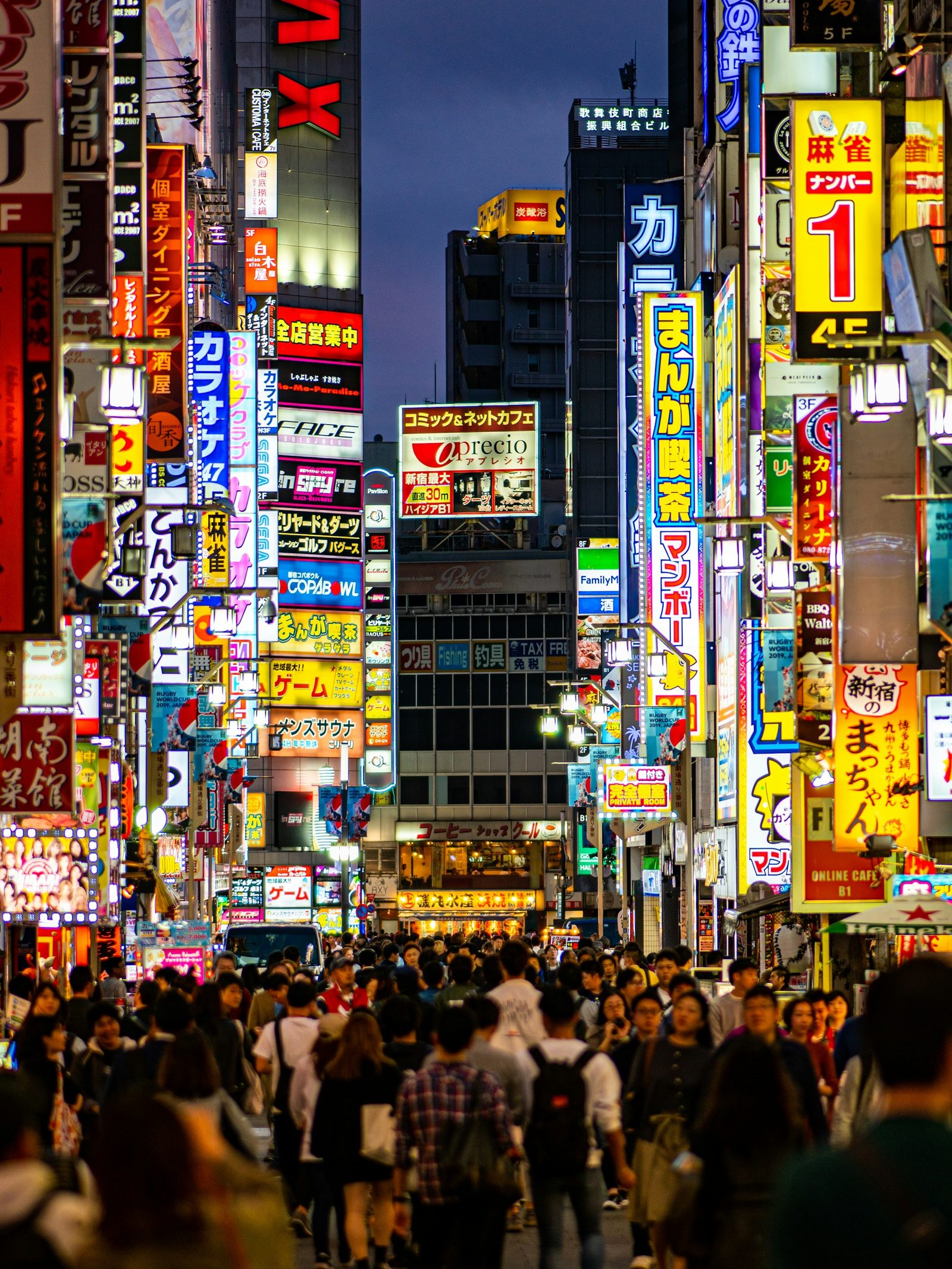
The standard advice exists for a reason. Shinjuku Station is the busiest in the world, and staying near it means every day trip — Hakone, Kamakura, Mt. Fuji country — starts from your doorstep. The district itself is enormous: neon canyons, the best department-store food halls in the west of the city, Golden Gai’s tiny bars, and the surprisingly serene Shinjuku Gyoen garden.
Downside: the station is genuinely overwhelming (budget 15 minutes to cross it, seriously), and the Kabukicho side stays loud all night — pick your sub-area with care. West side (Nishi-Shinjuku) = calm hotel towers; east side = the energy.
Hotels I’d actually point you to: Park Hyatt Tokyo (¥100,000+, the Lost in Translation icon, Fuji views), Hotel Century Southern Tower (¥25,000–40,000, above Shinjuku’s south exit — location magic at a fair price), Hotel Groove Shinjuku (¥30,000–50,000, the new Kabukicho Tower option for people who want the energy).
→ Check rates: Park Hyatt Tokyo · Century Southern Tower · Hotel Groove Shinjuku
Shibuya: for energy, pop culture, and being where things happen
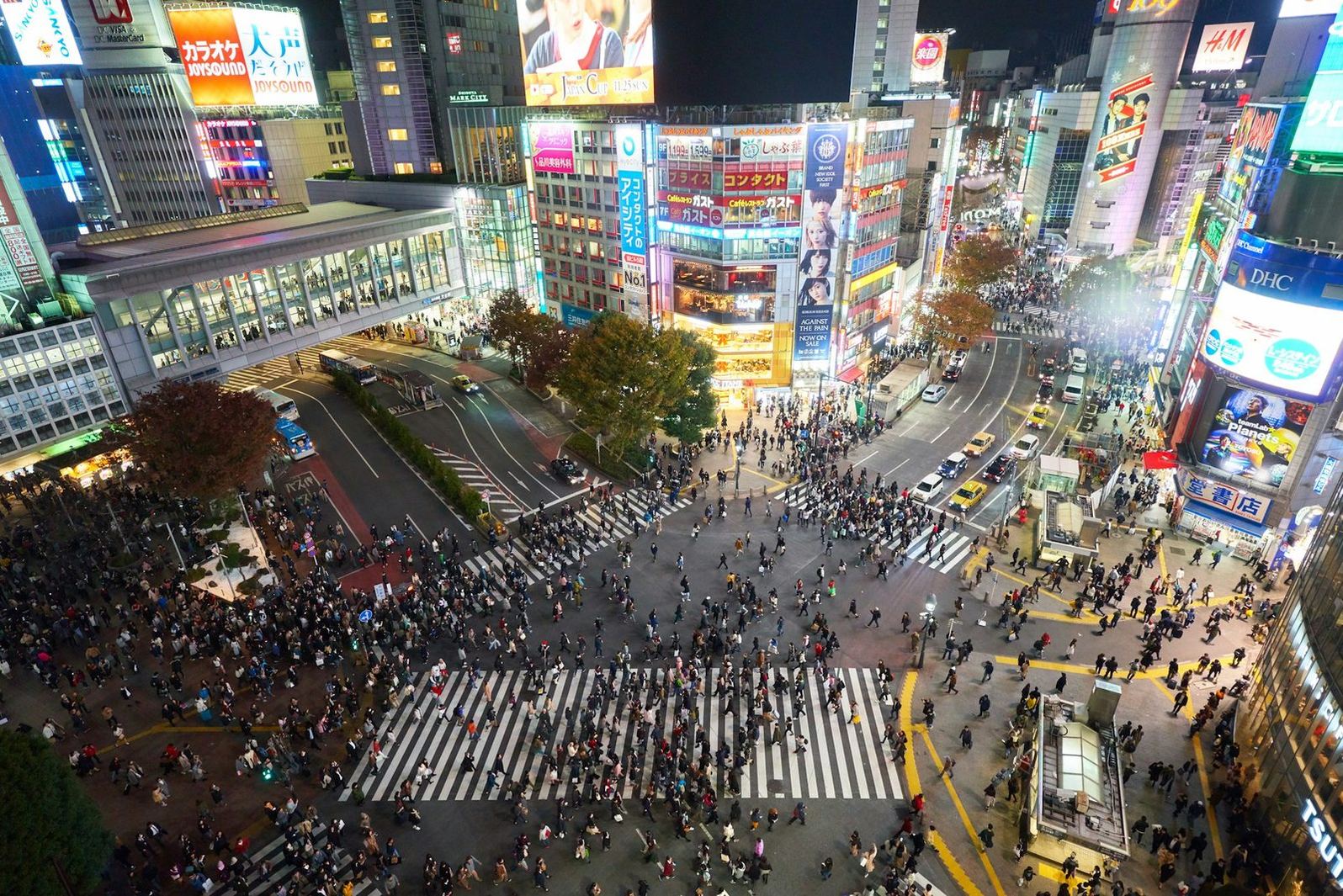
Shibuya in 2026 is the most transformed district in Tokyo — a decade of redevelopment has stacked it with rooftop views, new malls, and some genuinely good hotels. If your Tokyo is streetwear, izakaya crawls, live music, and being 10 minutes from Harajuku, base yourself here and don’t look back.
Downside: it’s the priciest per quality of the three right now — tourism demand pushed Shibuya rates up hard — and quiet it is not.
Hotels I’d actually point you to: Cerulean Tower Tokyu (¥35,000–55,000, big rooms by Tokyo standards, 5 minutes from the station), sequence MIYASHITA PARK (¥25,000–40,000, park-side, very Shibuya), Mustard Hotel (¥15,000–25,000, hostel-adjacent cool done right).
→ Check rates: Cerulean Tower Tokyu · sequence MIYASHITA PARK · Mustard Hotel Shibuya
Honorable mentions (when none of the three fit)
- Ueno / Asakusa: the honest budget answer — good hotels ¥10,000–18,000, old-Tokyo atmosphere, direct Skytree/airport access. Just accept a 20–30 minute ride to the west-side sights.
- Tokyo Station / Marunouchi: if your trip is Shinkansen-heavy (Kyoto, Kanazawa, Hiroshima), staying above the bullet-train hub saves real time — and it’s a 10-minute walk from Ginza anyway.
Want hotel picks for every one of these areas side by side? My complete guide to where to stay in Tokyo compares all the major neighborhoods.
How to decide in one minute
- Jet-lagged, food-focused, or traveling as a couple? → Ginza
- Cramming day trips into one week? → Shinjuku (west side)
- Out past midnight more nights than not? → Shibuya (or east Shinjuku)
- Budget under ¥12,000/night? → Ueno or Asakusa, happily

Ayako’s Local Tip
Here’s what nobody tells first-timers: you will barely be at your hotel. Tokyo days run 12 hours easily. So optimize for what actually touches you daily — a calm room for jet-lagged sleep and an easy station — not for “being where the action is.” The action is a ¥180 train ride away from everywhere.
Bottom line
There is no wrong answer among the three — only wrong matches. Ginza if you value calm and food, Shinjuku if you value logistics, Shibuya if you value energy. Book whichever matches the traveler you actually are, not the one Instagram says you should be.
Rates are typical 2026 ranges and swing with season. Check current prices before you book.

Thanks for reading! I’m Ayako, a business owner in Ginza writing honest guides from inside Tokyo. More about me here.
Leave a Reply