Disclosure: This post contains affiliate links. If you book through them, we may earn a small commission at no extra cost to you. See our full Affiliate Disclosure.
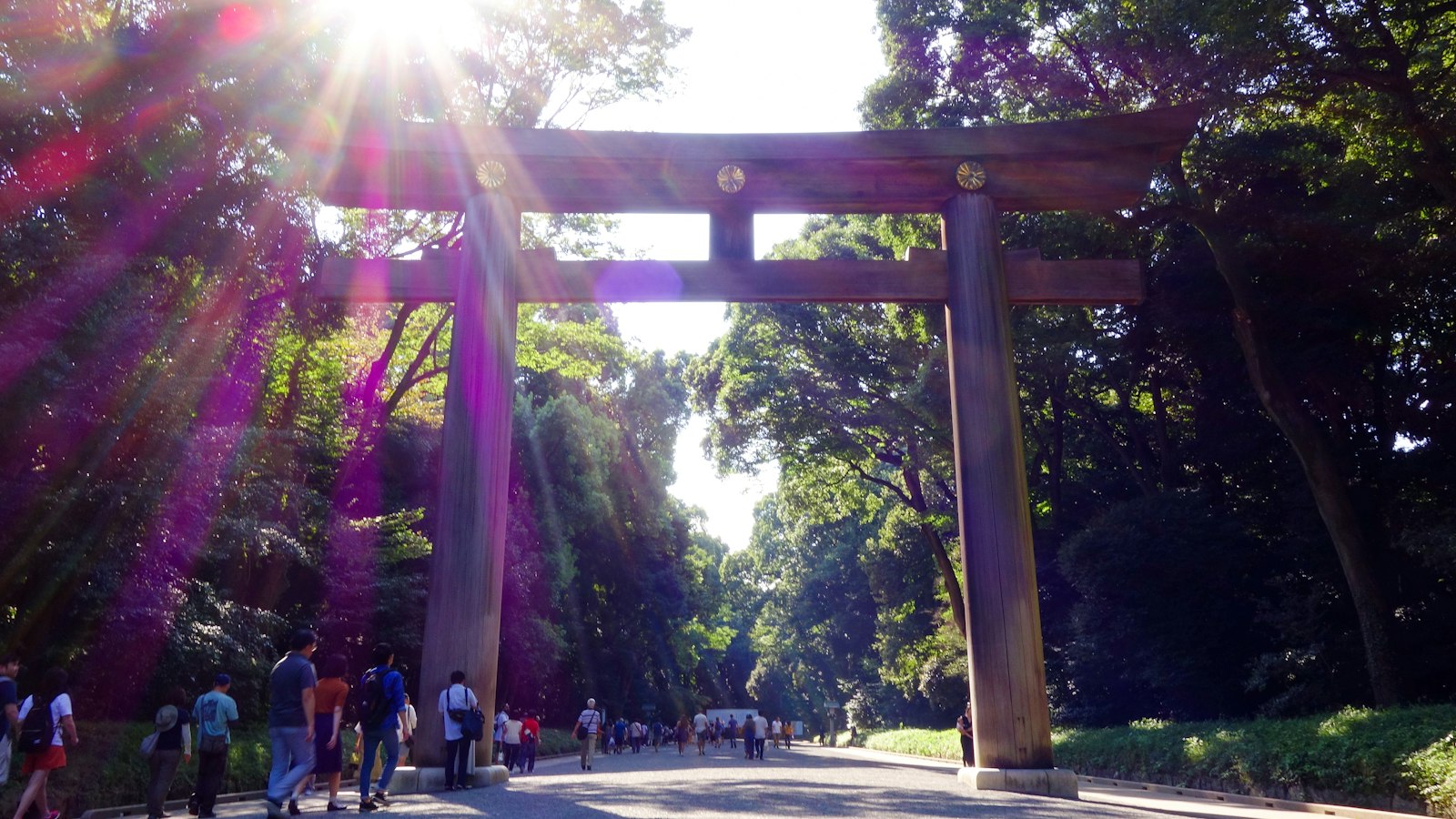
Tokyo over New Year is not the city you see the rest of the year. In Japan the New Year is first of all a family holiday, built around the first shrine visit of the year, and for a few days the city runs on a different rhythm: some things are busier than at any other time, and others are simply shut.
That is easy to enjoy if you plan for it and frustrating if you do not. Here is what is already confirmed for the 2026–27 season, what is only announced in December, and how to choose where to stay — with each date checked against the official source.
The short answer
- Taking the Shinkansen to Kyoto or Osaka? Every Nozomi is reserved-seat only from 25 December 2026 to 5 January 2027. Book ahead.
- Want the first shrine visit of the year (hatsumode)? Meiji Jingu is the big one. It normally closes at sunset, but Tokyo’s official tourism site lists it as open all night on 31 December.
- Want to see the Imperial Family? The New Year Greeting at the Imperial Palace is held on 2 January. The 2027 schedule has not been published yet.
- Expect closures. Museums, restaurants and smaller shops each set their own New Year dates, and most publish them in December.
Trains: the one thing to book early
JR Central has already published this year’s periods when the Nozomi — the fastest train on the Tokyo–Kyoto–Osaka line — runs with reserved seats only. For the New Year season the dates are Friday 25 December 2026 to Tuesday 5 January 2027, and they apply to every Nozomi between Tokyo and Hakata.
- There are no non-reserved cars on the Nozomi during this period.
- The other trains on the line — Hikari, Kodama, Mizuho, Sakura and Tsubame — keep their non-reserved seating as usual.
- With a non-reserved ticket you cannot take a seat on a Nozomi. JR Central says you may stand in the deck areas of the ordinary cars, and that you may not be able to board the train you wanted if it is crowded.
In practice this means deciding your Kyoto or Osaka day before you fly. On smartEX, the official English booking site, you can put in a request up to a year ahead, and seats for those early requests are confirmed from 8:00 a.m. one month before the travel date — 30 November for a 30 December trip. Our guide to buying Shinkansen tickets in Tokyo walks through the booking steps, the oversized-luggage rule and what Japan Rail Pass holders pay extra for the Nozomi.
The simplest way through the gate is a QR code on your phone, which needs mobile data at the station. If you have not arranged that yet, compare Japan eSIM plans on Klook before you travel.
Hatsumode: the first shrine visit of the year
Hatsumode is the first visit to a shrine or temple in the new year. In Tokyo the best-known place for it is Meiji Jingu, next to Harajuku Station. Tokyo’s official tourism site, GO TOKYO, says the shrine draws several million people between New Year’s Eve and 3 January.
Two facts are worth knowing before you go:
- On a normal day the shrine closes at sunset. Meiji Jingu’s own site gives its hours as sunrise to sunset: 6:40 a.m. to 4:00 p.m. in December and 6:40 a.m. to 4:20 p.m. in January. An evening visit is not possible on an ordinary winter day.
- New Year’s Eve is the exception. GO TOKYO lists the shrine as open all night on 31 December. The exact hours for 1–3 January are announced by the shrine closer to the date, so check its official site in December rather than relying on last year’s times.
You do not have to go at midnight. Hatsumode simply means the first visit of the year, so a morning visit during the first days of January counts just as much.
2 January: the New Year Greeting at the Imperial Palace
On 2 January the public can enter the Imperial Palace grounds through the Main Gate, and the Imperial Family appears several times during the day to greet visitors.
The Imperial Household Agency publishes the schedule on its English site. For the most recent Greeting, on 2 January 2026, it listed:
- Five appearances, at around 10:10 a.m., 11:00 a.m., 11:50 a.m., 1:30 p.m. and 2:20 p.m.
- Entry through the Main Gate (Nijubashi) from 9:30 a.m., with last entry at 2:10 p.m.
The 2027 schedule has not been published yet. Use the 2026 times as a guide to how the day is organised, and check the Agency’s page in December for the confirmed details.
What closes, and how to check
There is no single rule for New Year opening hours in Tokyo. Each museum, restaurant and shop decides its own dates, and many places close for at least a day or two around 1 January.
- If one place is the reason for your trip — a museum, a particular restaurant, an observation deck — check its official site for New Year hours before you fix your dates. Most publish them in December.
- Book New Year’s Eve and New Year’s Day meals in advance if eating somewhere specific matters to you, and confirm the restaurant is open on that date.
- Keep 1 January flexible. A shrine visit and a walk need no reservation and do not depend on anyone’s opening hours.
One thing winter gives back: clear air. The Tokyo Metropolitan Government’s own count shows Mt Fuji visible from Shinjuku on an average of about 18 days in December and 19 in January. If you would like to build that into the trip, see where to stay for a Mt Fuji view in winter.
Where to stay for New Year
Choose your base by what you most want to do on those few days.
| If your priority is… | Stay in… | Why |
|---|---|---|
| Meiji Jingu on New Year’s Eve | Shinjuku or Shibuya | Harajuku Station, beside the shrine, sits between the two on the JR Yamanote Line |
| The Imperial Palace on 2 January, or a Shinkansen trip | Tokyo Station / Marunouchi or Ginza | The Shinkansen leaves from Tokyo Station, and the palace is on the same side of the city |
| Not sure yet | Compare the areas first | See the guides below |
For the trade-offs between neighbourhoods, see our area-by-area guide to where to stay in Tokyo and the Ginza vs Shinjuku vs Shibuya comparison. If you settle on Ginza, where to stay in Ginza lists hotels by budget.
The New Year period is a peak travel time within Japan — the all-reserved Nozomi dates above are the rail operator’s own signal of that — so it makes sense to book rooms early and choose a rate you can cancel. You can browse Tokyo hotels on Agoda and filter by free cancellation.
Three mistakes to avoid
- Expecting to hop on a Nozomi without a reservation. From 25 December to 5 January there are no non-reserved seats on it.
- Planning around last year’s times. The Imperial Palace schedule and shrine hours are announced for each year. Check in December.
- Building 1 January around a place you have not checked. Confirm its New Year hours on its own site first.
Summary
- Nozomi: reserved seats only from 25 December 2026 to 5 January 2027. Seats on smartEX are confirmed from 8:00 a.m. one month ahead.
- Meiji Jingu: normally sunrise to sunset; listed as open all night on 31 December.
- Imperial Palace: New Year Greeting on 2 January; 2027 times to be announced.
- Closures: set by each venue. Check official sites in December.
- Base: Shinjuku or Shibuya for the shrine; Tokyo Station or Ginza for the palace and the Shinkansen.
Information checked against JR Central, the Imperial Household Agency, Meiji Jingu and GO TOKYO on 4 October 2026. New Year schedules for 2027 are announced closer to the date, so confirm on the official sites before you travel.
Leave a Reply