Disclosure: This post contains affiliate links. If you book through them, we may earn a small commission at no extra cost to you. See our full Affiliate Disclosure.
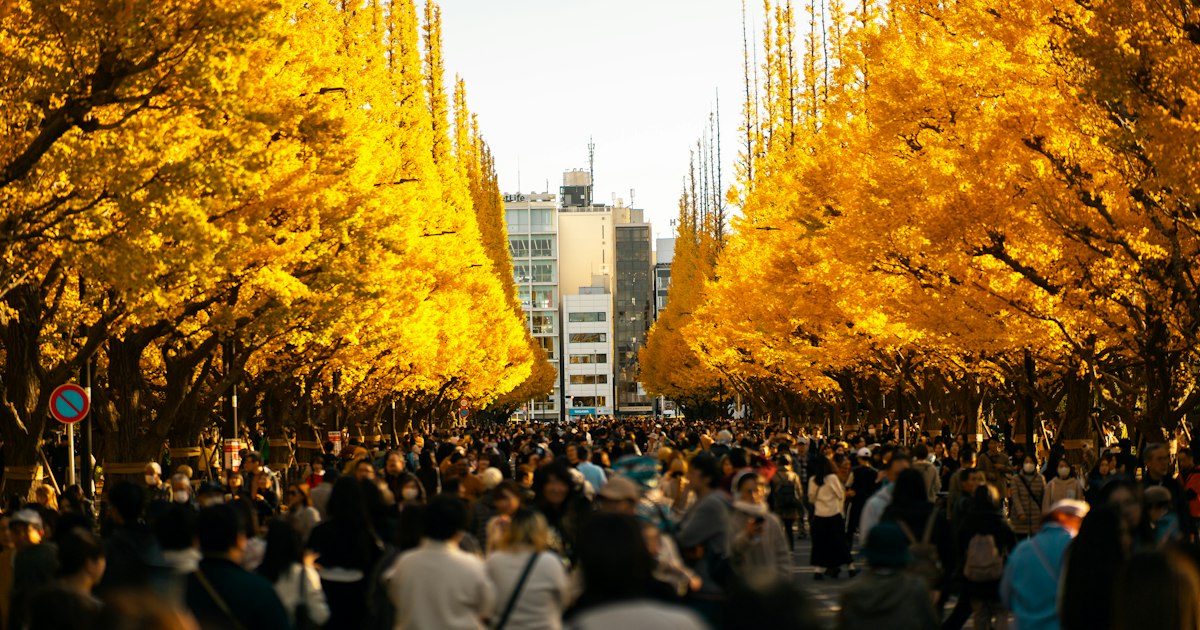
Tokyo’s autumn colour arrives late: the city’s ginkgo avenues and maple gardens usually turn in the second half of November. That makes it an easy add-on to a late-autumn trip, as long as you time it and base yourself well.
Here is when to go in 2026, the gardens and avenues worth your morning, and which neighbourhood puts you closest to them.
When to go: late November
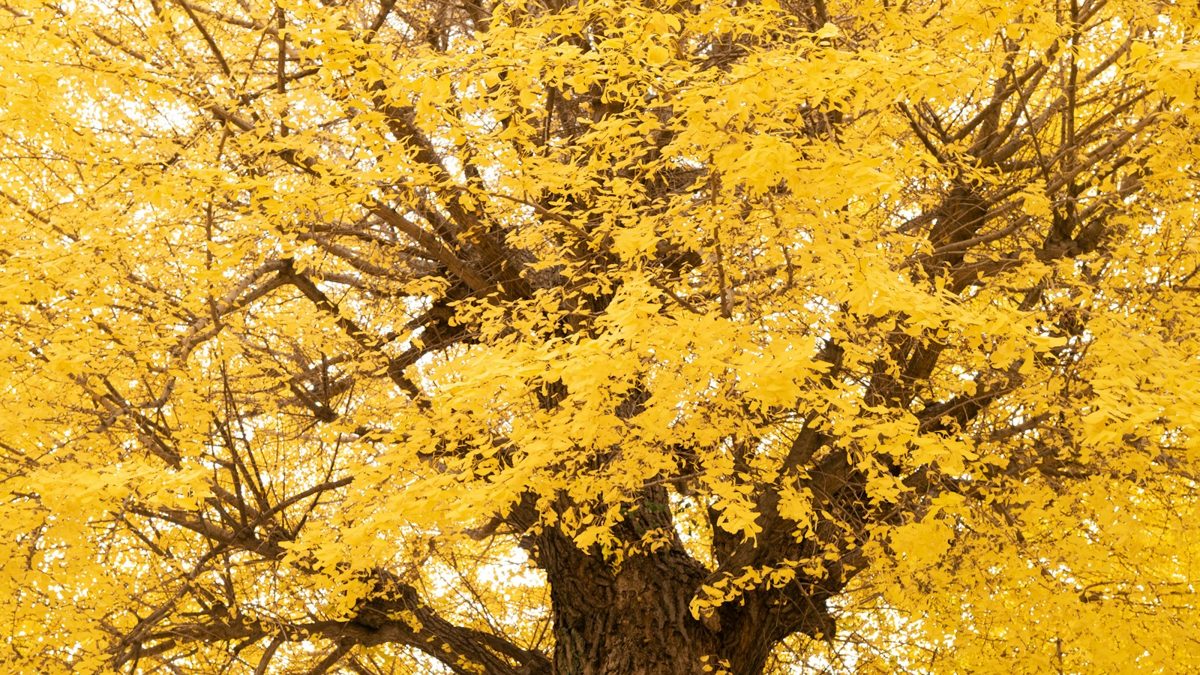
The Japan Meteorological Agency’s long-term averages put Tokyo’s ginkgo yellowing around 23 November and maple colouring around 28 November.
For 2026, the first forecasts point slightly later than that:
- Japan Weather Corporation (Nihon Kishou), first forecast published 2 September 2026: ginkgo best around 26 November, maple around 29 November.
- Weathernews, published 3 September 2026: the Kanto region is expected to be later than average or slightly later.
Both forecasters plan to update in early October, and we will update this page when they do. For planning now, the last week of November is the safest window.
The best autumn spots in central Tokyo
Meiji Jingu Gaien Ginkgo Avenue
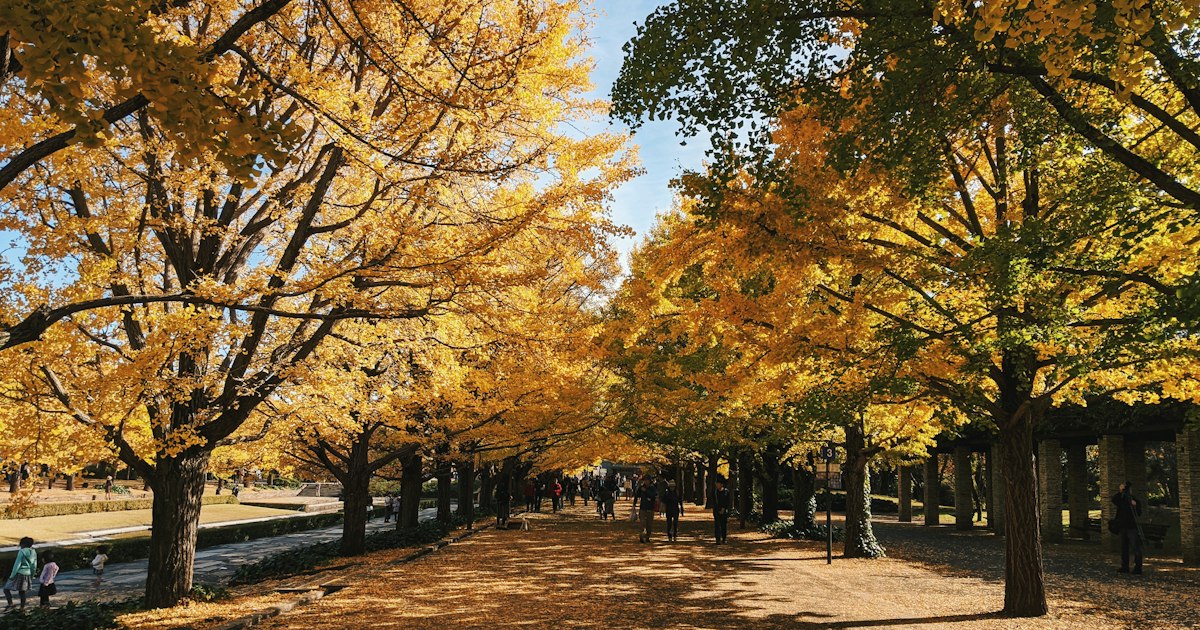
Tokyo’s most photographed autumn scene: a straight avenue lined with ginkgo trees. According to the official site, the trees start turning in mid-November and become golden in late November. Walking the avenue is free.
Stations: Gaienmae (Ginza Line), Shinanomachi (JR) and Kokuritsu-Kyogijo (Oedo Line).
Shinjuku Gyoen National Garden
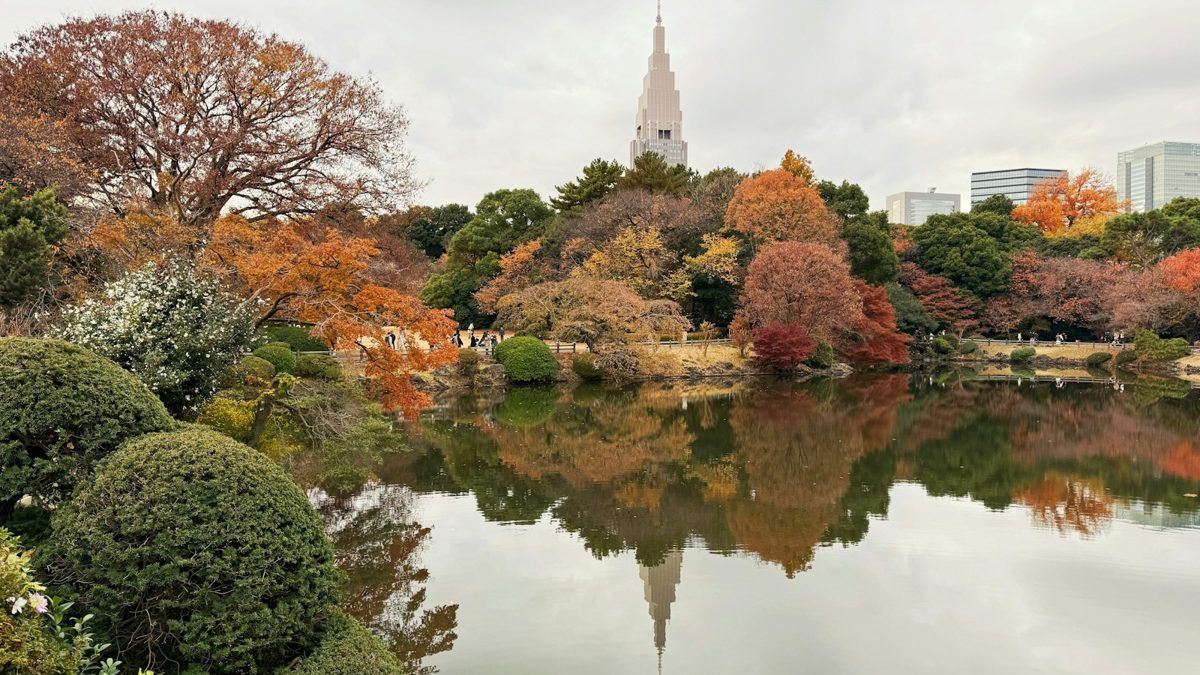
A large landscaped garden and the natural choice if you are staying in Shinjuku.
- Admission: ¥500 adults; ¥250 for 65+ and students; free for junior high school age and under
- Hours from 1 October to 14 March: 9:00–16:30
- Closed Mondays (the next weekday if Monday is a public holiday) and 29 December–3 January
- Stations: Shinjuku-gyoemmae (Marunouchi Line), Shinjuku-sanchome, Sendagaya
Rikugien Garden
A Japanese strolling garden in the north of central Tokyo. In 2025 it held an evening illumination from 28 November to 9 December; the 2026 dates have not been announced yet.
- Admission: ¥300 adults; ¥150 for 65+
- Hours: 9:00–17:00 (last entry 16:30)
- Stations: Komagome (JR Yamanote Line, Namboku Line), about a 7-minute walk
Hama-rikyu Gardens
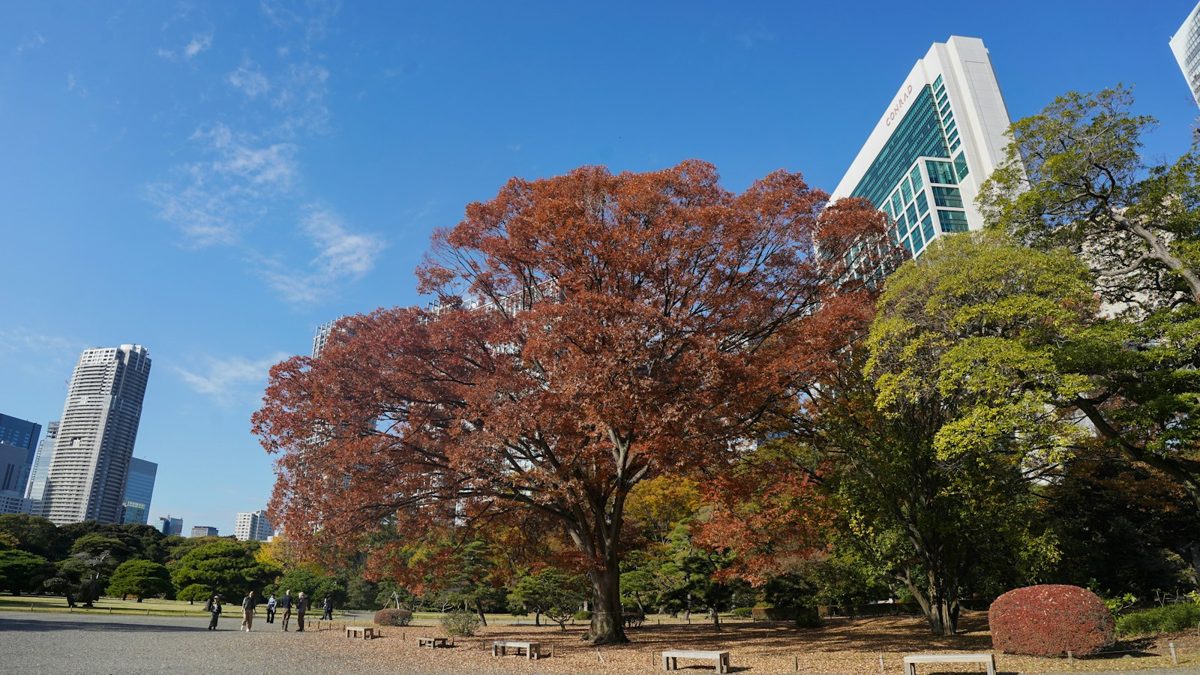
A waterside garden by Shiodome, a short trip from Ginza. The official guide gives mid-November to early December for its autumn colour.
- Admission: ¥300 adults; ¥150 for 65+
- Hours: 9:00–17:00 (last entry 16:30)
- Stations: Shiodome (Oedo Line, Yurikamome) and Shimbashi (JR)
Hibiya Park
Free, open at all hours, and within walking distance of Ginza — the easiest green space to fit into a morning before shopping.
Day trip: Showa Kinen Park
If you want one big ginkgo scene outside the centre, Showa Kinen Park in Tachikawa has a ginkgo avenue of about 300 metres, and the park lists November as the peak season for the yellow leaves. Admission is ¥450 for adults, ¥210 for 65+, and free for junior high school age and under. Nishi-Tachikawa Station (JR Ome Line) is about a 2-minute walk. Check the park’s opening hours before you go.
Day trip: Nihon-odori, Yokohama
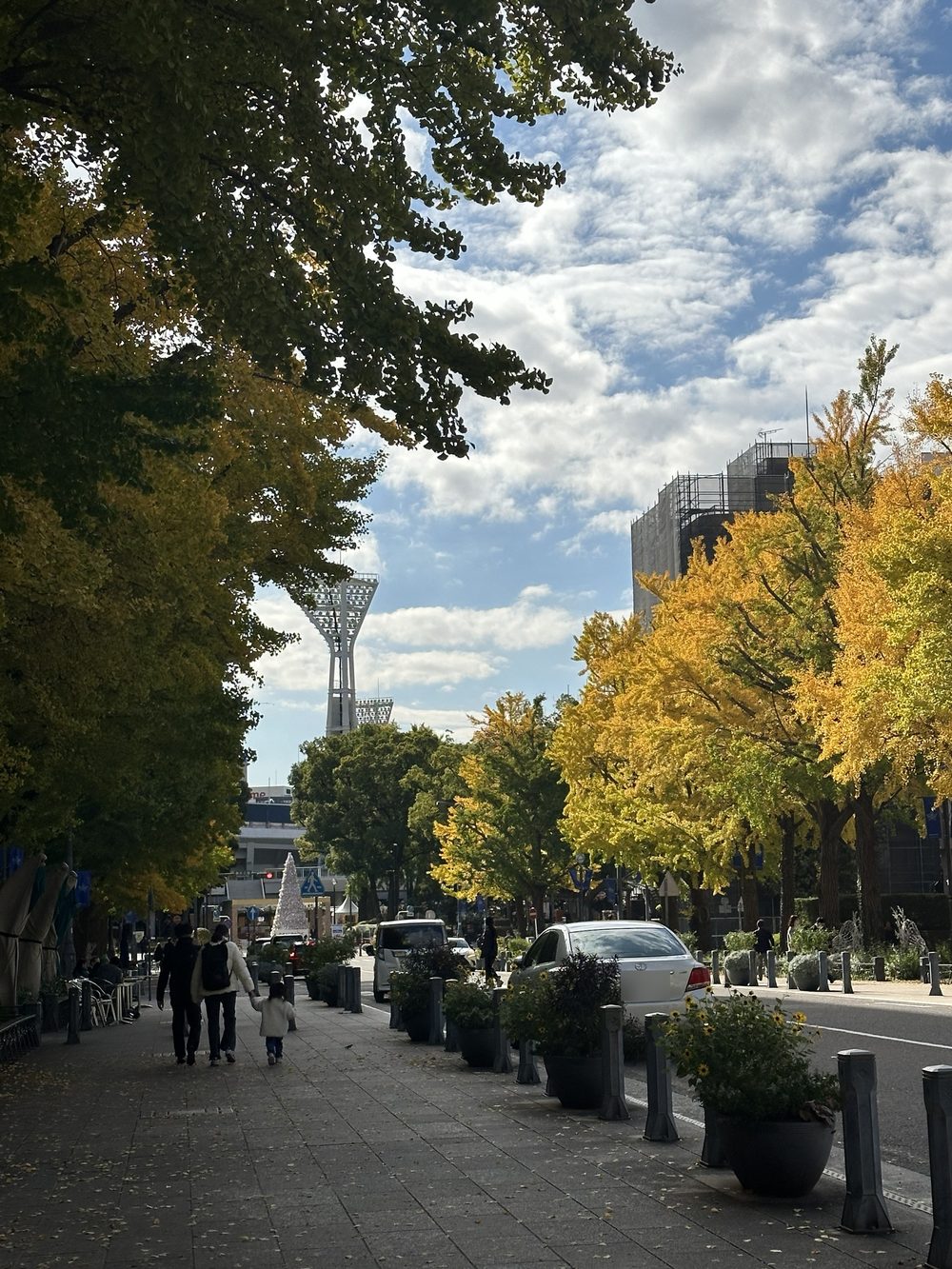
Nihon-odori is a ginkgo-lined street in Yokohama, flanked by historic buildings such as the Kanagawa Prefectural Government Office and the Yokohama Archives of History. Yokohama’s official visitor guide describes it as Japan’s first Western-style street, designed by R. H. Brunton and completed around 1870, and notes that you can watch the coloured ginkgo leaves from the open-air cafés along the road.
In 2025, Yokohama City’s ginkgo updates reported the trees beautifully coloured on 28 November, and the 5 December update called that weekend the last chance to enjoy them.
- Stations: Nihon-odori Station (Minatomirai Line), right on the street; Kannai Station (JR, Yokohama Municipal Subway Blue Line), about a 7-minute walk
Where to stay for autumn leaves
Every spot above is reachable by train from any central area, so pick your base for the evenings, not for one garden. That said, some pairings save real time.
Ginza: for Hama-rikyu, Hibiya and the ginkgo avenue
Hibiya Park is walkable and Hama-rikyu is close by. The Ginza Line also runs directly from Ginza to Gaienmae, one of the stations for the ginkgo avenue, with no transfer.
More options: Where to stay in Ginza.
Shinjuku: for Shinjuku Gyoen and a Tachikawa day trip
Shinjuku Gyoen is close by, and Tachikawa (for Showa Kinen Park) is on the JR Chuo Line from Shinjuku.
Ueno: for Rikugien
Ueno is on the JR Yamanote Line, which also stops at Komagome for Rikugien, and on the Ginza Line for the ginkgo avenue.
Still deciding between areas? See Ginza vs Shinjuku vs Shibuya and every major area compared, or browse all Tokyo hotels on Agoda.

Ayako’s Local Tip
My own favourite ginkgo walk isn’t in Tokyo at all. I often go to Nihon-odori in Yokohama — the avenue of ginkgo trees there is beautiful. If you have a spare morning in late November, it’s worth the train ride.
Before you set out, check closing days and hours: Shinjuku Gyoen is closed on Mondays, and the gardens close at 16:30 or 17:00. Late-November afternoons are short, so a morning visit gives you the best light and the most time.
Bottom line
Aim for the last week of November, go in the morning, and base yourself where you want to spend your evenings. Ginza gives you the most spots within easy reach, Shinjuku pairs best with Shinjuku Gyoen, and Ueno puts Rikugien one train line away. With a spare morning, add Nihon-odori in Yokohama.
Getting between areas takes less time than most visitors expect: see Tokyo travel times between areas.
Forecast dates, admission fees and hours were checked against official sources in September 2026 and can change. Check the official sites before you go.

Thanks for reading! I’m Ayako, a business owner in Ginza writing honest guides from inside Tokyo. More about me here.
Leave a Reply