Disclosure: This post contains affiliate links. If you book through them, we may earn a small commission at no extra cost to you. See our full Affiliate Disclosure.
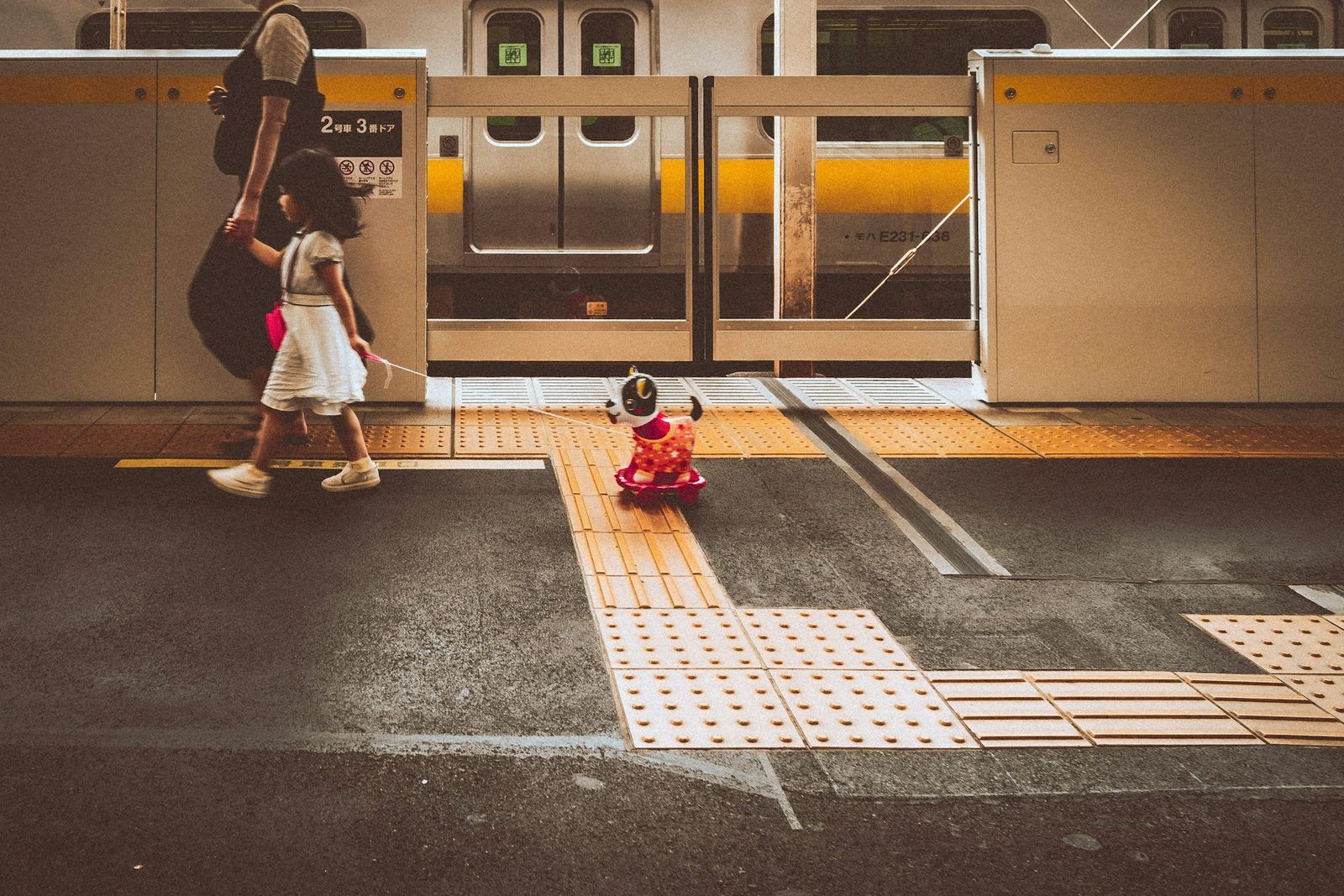
Every summer, friends from abroad message me the same panicked question: “We’re bringing the kids to Tokyo — why does every hotel say maximum 2 people??”
Here’s the thing nobody warns you about: Japanese hotel rooms are built for one or two people, and the booking sites don’t explain the local rules that make family stays work. Once you know those rules, Tokyo with kids gets dramatically easier — and cheaper.
The 4 rules of family hotels in Japan (read this first)
- Small children often stay free — if they co-sleep. Many Japanese hotels let kids (typically under 6, sometimes under 12) stay free sharing existing beds. This is called soine (co-sleeping) and it’s a standard option at booking — look for the child-age dropdown and set it honestly; the “free” answer may surprise you.
- Rooms for 3+ people are genuinely scarce. Triple rooms, quad rooms and connecting rooms exist but sell out first — months first. If your dates are fixed, book the room before the flights feel real. 3–6 months ahead is normal for family rooms in high season.
- “Apartment hotels” are the cheat code. A category most visitors don’t know exists: hotel service, apartment layout — kitchen, dining table, laundry, and beds for 4–6 people in one unit. For families this beats two cramped hotel rooms in every way.
- You need less stuff than you think. Cribs and bed guards are often free rentals, drugstores stock every baby essential, and convenience stores solve the picky-eater dinner problem at 21:00. Japan is quietly one of the easiest places on earth to travel with children.
The apartment hotel answer: MIMARU
MIMARU is the chain I recommend to almost every family: every room is 40m² or larger (huge by Tokyo standards) with a real kitchen, a dining table, and sleeping for 4–6 across bunk beds, tatami corners and sofa beds. Kids under 6 stay free, cribs and bed guards are free rentals, and the staff are visibly used to jet-lagged children. Typical rates run ¥45,000–60,000 a night — which sounds high until you price two connecting hotel rooms in central Tokyo.
Locations all over the city, including MIMARU Tokyo Ginza East (my neighborhood — see my Ginza guide for what’s around it) and MIMARU SUITES Asakusa, where every unit has two or more real bedrooms for bigger families.
→ Check rates: MIMARU Tokyo Ginza East · MIMARU SUITES Tokyo Asakusa
Budget alternative: Tokyu Stay — smaller rooms, but in-room washer-dryers and kitchenettes at ¥15,000–25,000. Best for a family of three, or four with small kids.
→ Check rates for Tokyu Stay Ginza
If you prefer a “real” hotel
- Cerulean Tower Tokyu (Shibuya): some of the biggest standard rooms in Tokyo plus kids’ facilities — the strongest conventional-hotel pick for families who want space and a view.
- Mitsui Garden hotels: several Tokyo locations offer family/triple rooms at fair prices; their Ginza Premier is my area favorite for the skyline alone.
→ Check rates: Cerulean Tower Tokyu · Mitsui Garden Ginza Premier
Where to base a family
- Tokyo Station / Ginza: best for families mixing city days with Shinkansen day trips (Disney is also a direct train from Tokyo Station). Calm evenings, easy logistics — my full case is in the area comparison.
- Asakusa / Ueno: the family sweet spot on a budget — Ueno Zoo, big parks, the Skytree, gentler crowds, and Japan’s old-town charm kids actually notice.
- Tokyo Disney note: if the parks are the main event, stay at Maihama’s partner hotels for the early-entry perks and nap-friendly proximity, then move into the city after. Don’t commute to Disney from central Tokyo with small kids more than once.
Ayako’s Local Tip
Use takkyubin — Japan’s overnight luggage forwarding. Any hotel front desk (or convenience store) will send your suitcases to your next hotel for about ¥2,000–3,000 per bag. Families dragging luggage AND children through rush-hour stations is the single most avoidable mistake in Japan travel. Locals never do it. Neither should you.
Bottom line
Book early, use the co-sleeping rules, and think “apartment, not hotel room.” MIMARU for most families, Tokyu Stay on a budget, Asakusa or Ginza as your base — and takkyubin for every hotel change. Tokyo with kids isn’t hard; it just has different rules, and now you know them.
Rates are typical 2026 ranges and vary by season and room type. Check current prices and child policies before you book.
Thanks for reading! I’m Ayako, a business owner in Ginza writing honest guides from inside Tokyo. More about me here.
Leave a Reply